
Chimpanzee War
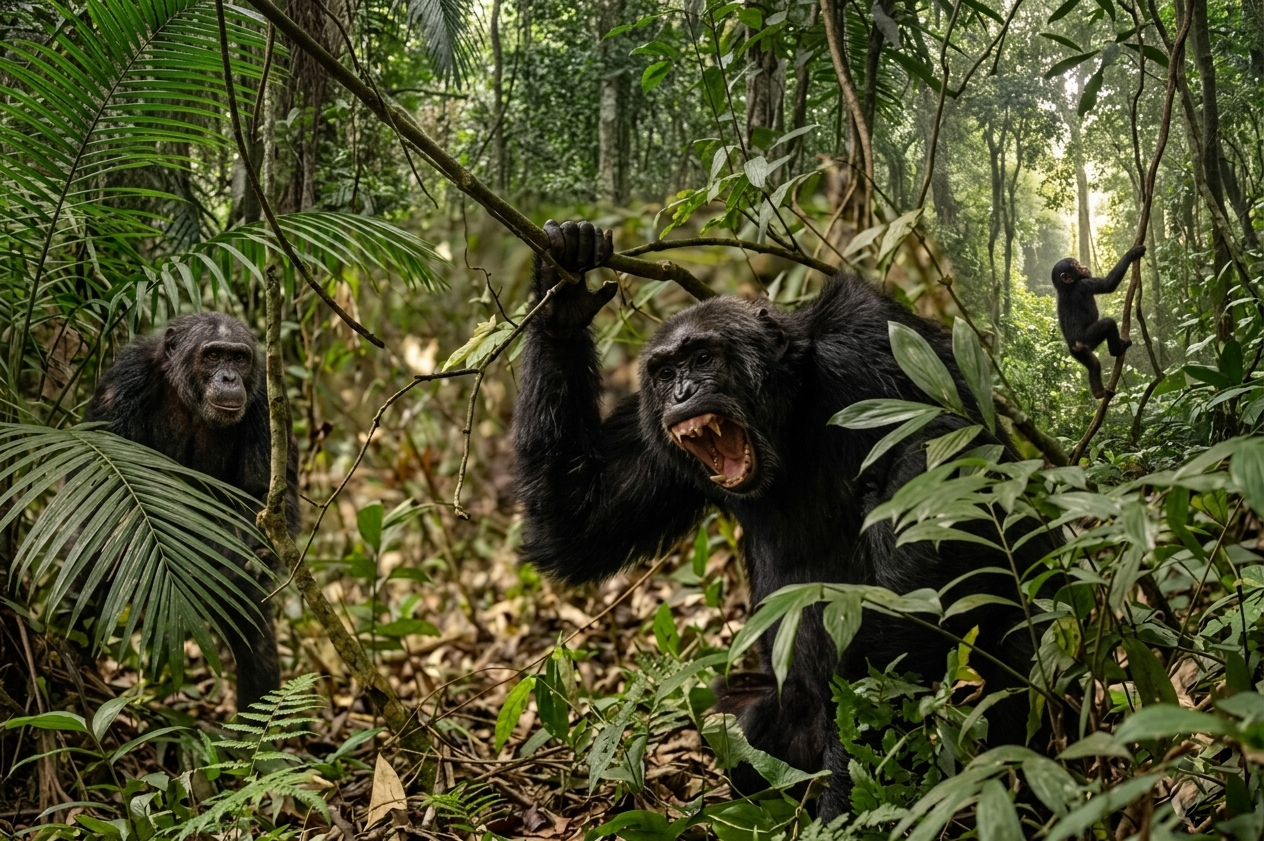
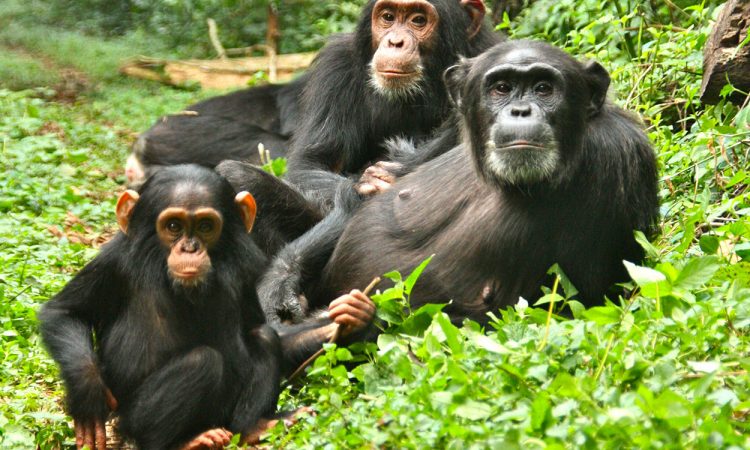
Deep within Kibale National Park, a remarkable and unsettling story has been unfolding among one of humanity’s closest relatives—the chimpanzee. Known for its rich biodiversity and large primate population, this forest is home to the famous Ngogo chimpanzee community, the largest ever recorded, with nearly 200 individuals. For many years, this community lived in a complex but relatively stable social system, where cooperation and hierarchy-maintained order. However, beneath this apparent harmony, tensions were quietly building.
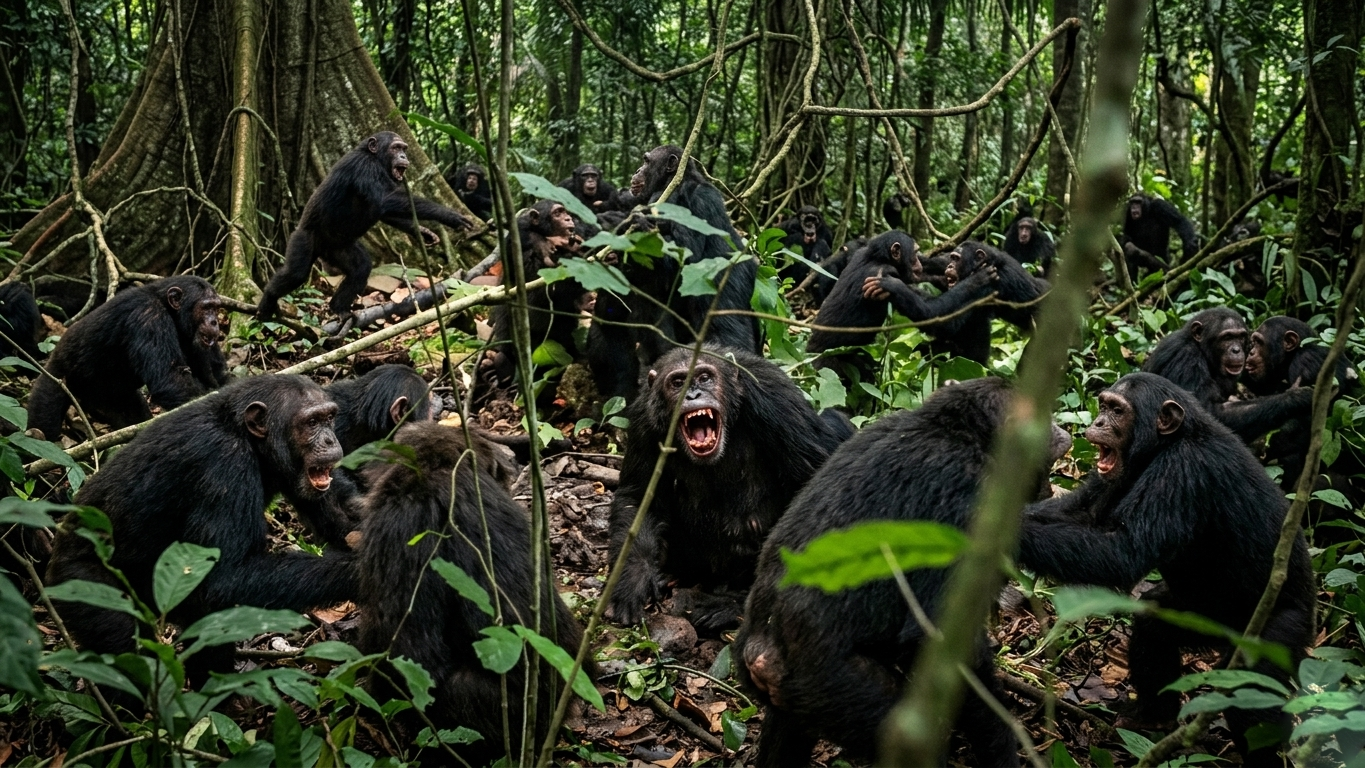
Between the late 1990s and early 2010s, subtle divisions began to form within the group. By around 2015, these divisions had intensified, leading to a split into two rival factions. What followed was something rarely observed in the animal kingdom–a sustained and organized conflict that scientists have come to describe as a “chimpanzee civil war.” By 2018, the conflict had escalated into violent encounters, with coordinated attacks, territorial patrols, and even killings among individuals that were once part of the same community.
The scale and intensity of this conflict have drawn global attention. Before the split, the Ngogo community consisted of approximately 200 chimpanzees, making it unusually large and potentially more prone to internal strain. Since the conflict began, at least 28 chimpanzees have been killed, and incidents of infanticide have increased, particularly in recent years. Researchers note that such large-scale social fragmentation among chimpanzees is extremely rare, possibly occurring only once in several centuries, which makes the events in Kibale especially significant.
Several factors are believed to have contributed to the outbreak of violence. The loss of key dominant males may have weakened the existing leadership structure, creating a power vacuum. At the same time, increasing competition for food resources and mating opportunities added pressure to an already strained system. A disease outbreak around 2017 may have further destabilized the population, reducing numbers and intensifying survival instincts. Together, these elements created the perfect conditions for division, turning former allies into rivals.
This is not the first time such behaviour has been documented. The most famous earlier example is the Gombe Chimpanzee War, observed by renowned primatologist Jane Goodall in Gombe Stream National Park. That conflict lasted four years and ended with the complete destruction of one rival group. It was the first clear evidence that chimpanzees could engage in prolonged, organized violence, challenging previous assumptions that such behaviour was uniquely human.
What makes the ongoing conflict in Uganda even more compelling is its similarity to human warfare. Male chimpanzees form alliances, conduct border patrols, and launch coordinated attacks on isolated individuals from rival groups. These behaviours suggest a level of strategy and social organization that closely mirrors early forms of human conflict. Given that chimpanzees share approximately 98 percent of human DNA, such observations provide valuable insights into the evolutionary roots of aggression, cooperation, and territoriality.
Today, the conflict in Kibale National Park is still ongoing, making it a living case study for scientists and conservationists. Alliances continue to shift, territories are contested, and the outcome remains uncertain. For visitors and researchers alike, the forests of Uganda offer more than just scenic beauty–they reveal complex social dynamics that echo aspects of our own history.
Ultimately, the chimpanzee war in Uganda is a powerful reminder that the line between human and animal behavior is thinner than we often assume. It highlights how environmental pressures, social structures, and competition can shape the fate of even the most intelligent species. As this story continues to unfold, it not only deepens our understanding of chimpanzees but also invites us to reflect on the origins of conflict within our own societies.

John Amanya
Travel Consultant
Tel: +256 778 880 286