
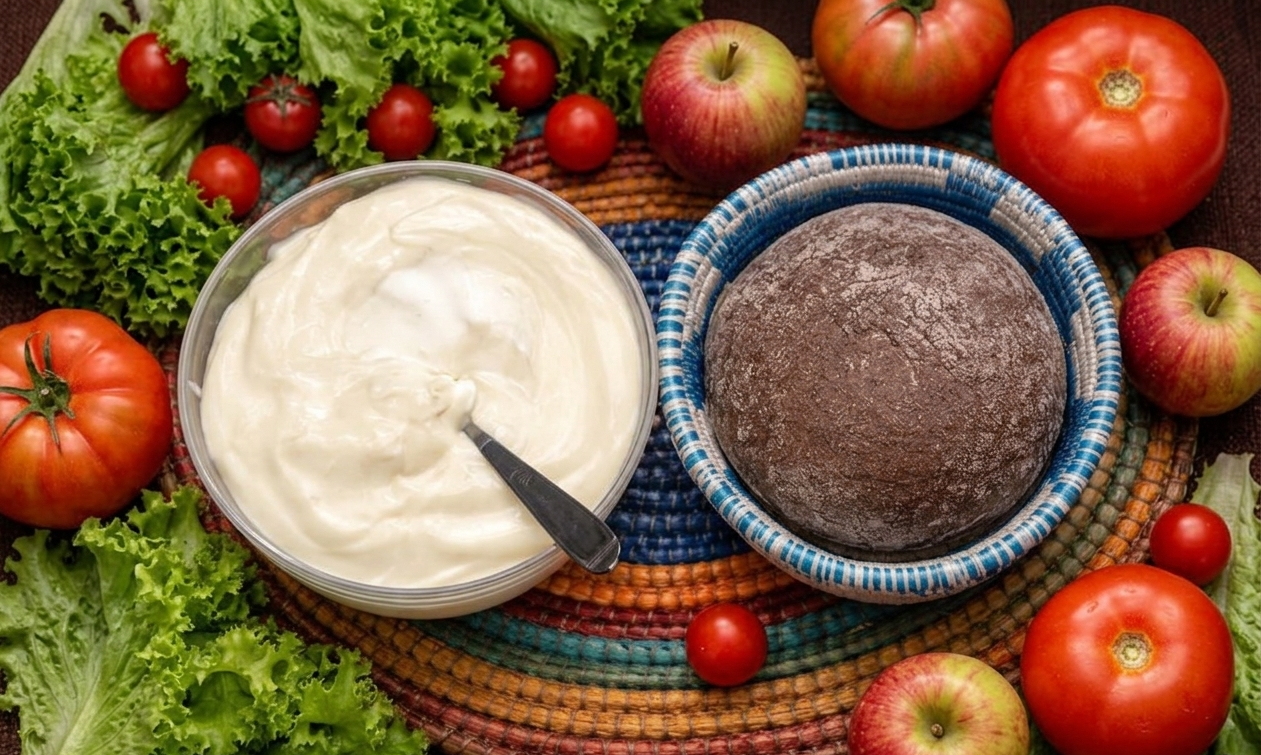
Acquiring The Richness Of Eshabwe.
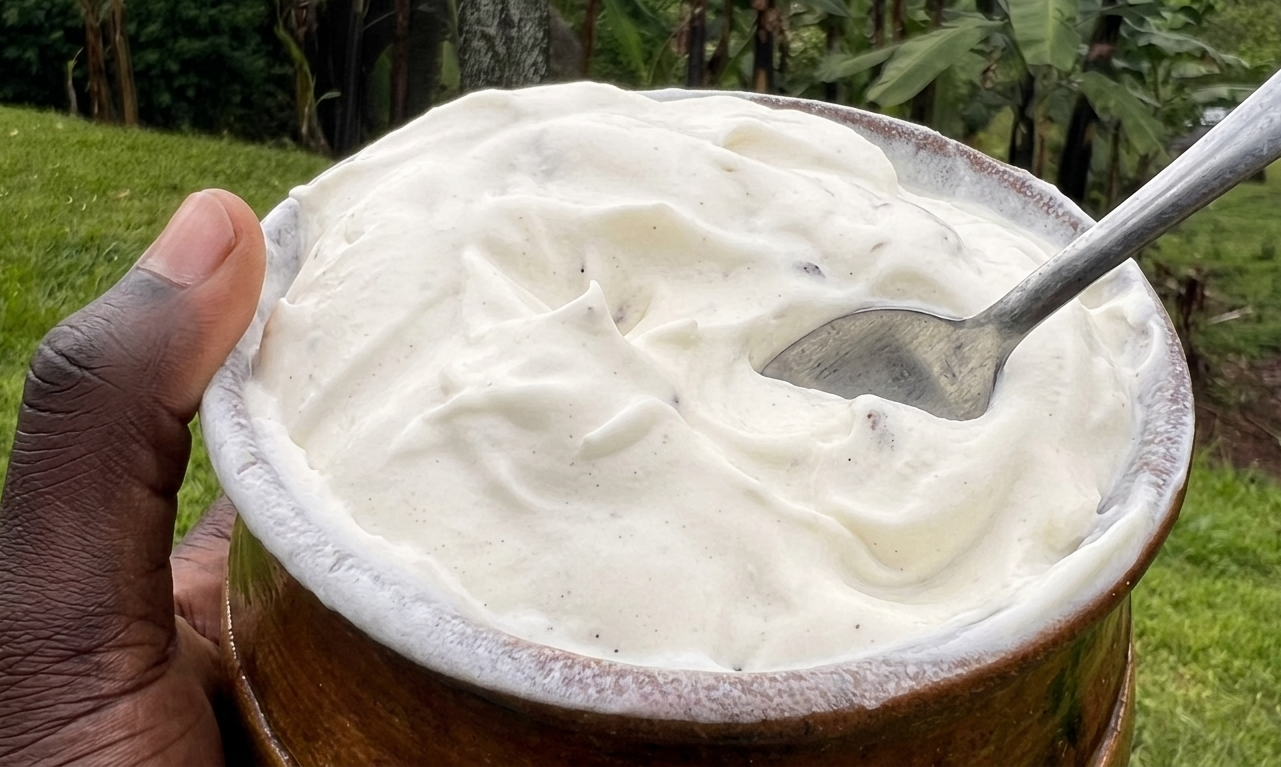
Eshabwe is a traditional delicacy from western Uganda, especially among the Banyankole, representing more than just food, it reflects heritage, pride, and cultural identity. Made primarily from ghee (clarified butter), rock salt, and water, this simple yet meaningful sauce carries generations of tradition. Its preparation may seem basic, but it requires patience, skill, and a deep understanding of cultural practices.
The dish is closely tied to the pastoral lifestyle of regions like Ankole, where cattle symbolize wealth, status, and livelihood. Milk and its by-products play a central role in daily life, and Eshabwe stands out as one of the most valued creations. Traditionally, the ghee used is homemade, prepared through age-old methods passed down through generations.
Eshabwe is typically served alongside staple foods such as matoke, millet bread, sweet potatoes, and yams. Its rich, buttery flavor complements these foods, creating a satisfying and memorable meal. It is often enjoyed during special occasions, including family gatherings, weddings, and cultural ceremonies, making it both a culinary and social experience.
Beyond its taste, Eshabwe symbolizes hospitality, unity, and abundance in Ugandan culture. Its preparation is considered an art, involving careful mixing of ingredients to achieve a smooth, creamy texture, often using traditional wooden tools. For visitors, trying Eshabwe offers a deeper connection to Uganda’s cultural roots, making it not just a meal, but a meaningful experience rooted in tradition.

John Amanya
Travel Consultant
Tel: +256 778 880 286